
APO projects cover the industry, service, agriculture, and public sectors. They are designed to provide practical training, share best practices and innovations, and promote knowledge development. Projects can either be multicountry or individual country. Participants in APO activities represent diverse groups of productivity stakeholders in member economies. They are expected to create multiplier effects by disseminating their newly acquired knowledge and understanding to others in their home countries.
APO projects follow various formats to ensure relevance to the needs of its members and deliver the desired capacity-building results. In the following list, each project type is designated with a three-letter code in parentheses, which are used to identify each APO project as seen in the APO Annual Program.
- Research (RES): Research is intended to collect and analyze data and information on productivity-related topics using a determined methodology.
- Study Meetings (STM): Study meetings are meant to impart knowledge on emerging issues and challenges for policy, planning, and decision making, primarily through resource paper presentations and discussions among expert participants. Only qualified experts and professionals knowledgeable about the subject area are expected to attend study meetings.
- Forums (FRM): Forums are held to provide a platform for discussions, dialogues, and networking for specific stakeholders. Senior and top-level managers, officials, consultants, and academic personnel are expected to attend.
- Conferences (CON): Conferences help promote productivity and build consensus among stakeholders on the directions (or redirection) of the productivity movement in a member country. Diverse stakeholders including top/senior representatives from government, business, and unions, as well as representatives of NPOs, academia, and the media attend conferences. Conferences could be in the form of a roundtable conference, international productivity conference, or simply an international conference.
- Observational Study Missions (OSM): Observational study missions provide opportunities for firsthand observation of/exposure to actual applications of specific subjects by firms and industries. Some lectures and discussions may be included in an observational study mission. Middle- to top-level managers, officials, consultants, and academic personnel comprise participants in observational study missions.
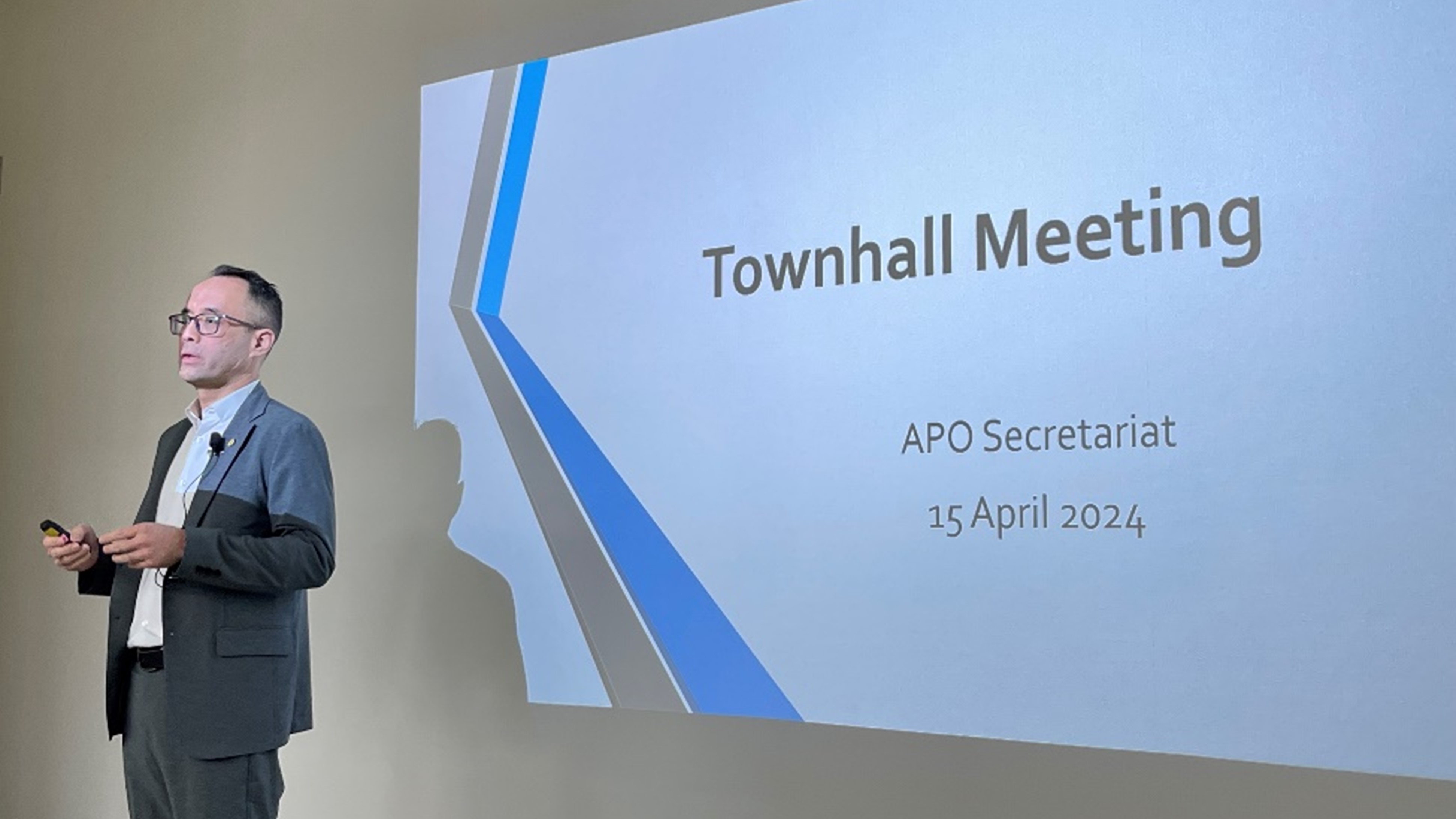
- Seminars (SEM): Seminars are organized to give participants the opportunity to learn about a specific topic or field through lectures and presentations by resource persons and through discussions among participants and resource persons. Relevant site visits may be included in a seminar. Participants are expected to present country papers for sharing experiences and practices. The target groups for seminars are senior-level managers, officials, consultants, and academic personnel.
- Workshops (WSP): Workshops are designed to provide a venue for learning through discussions and case studies undertaken in an interactive manner, emphasizing problem solving. Some lectures and/or presentations and relevant site visits may be included, while the main part of the workshop focuses on small group activities or exercises. The target groups for workshops are middle-level managers, officials, consultants, and academic personnel.
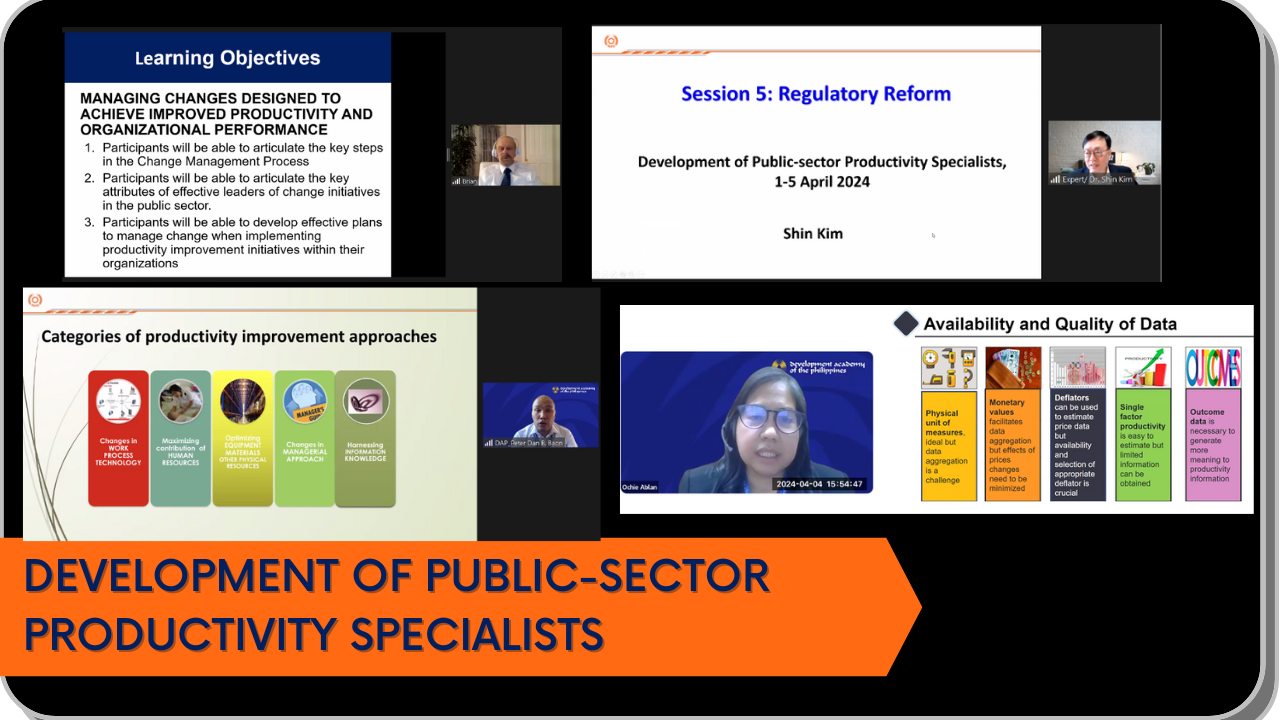
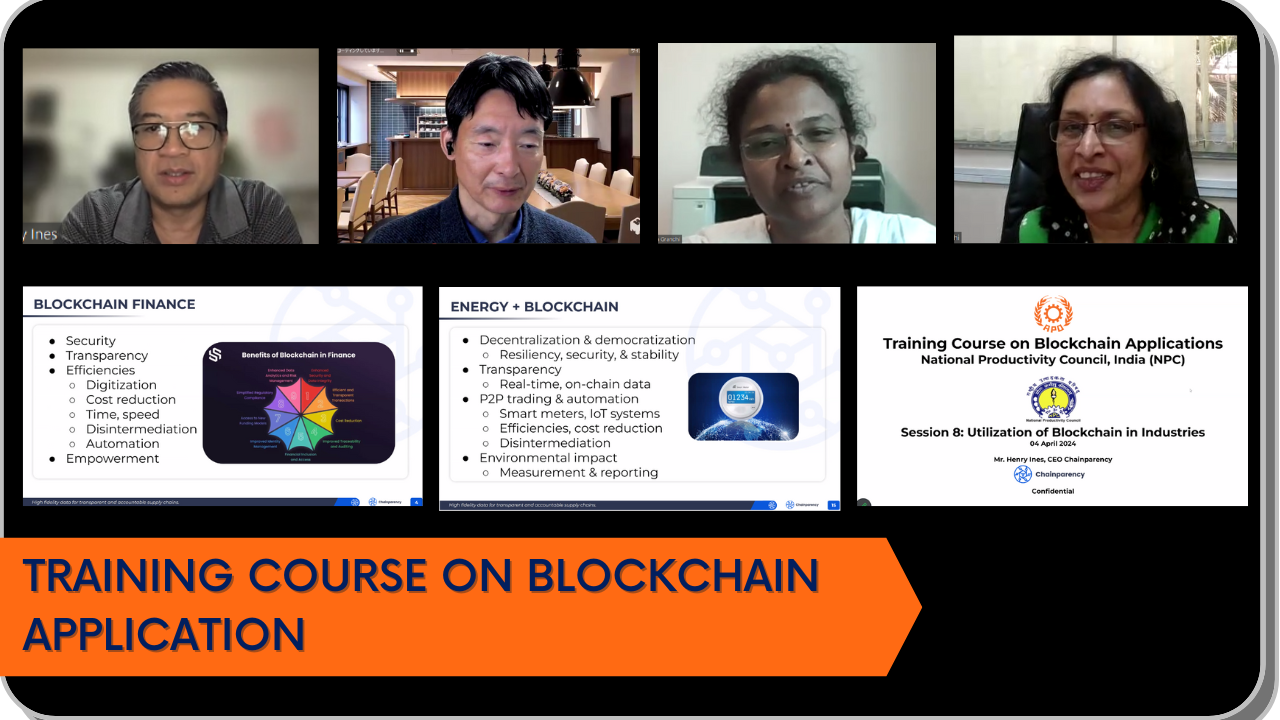
- Training courses (TRC): Training courses are organized to enable participants to learn practical, result-oriented knowledge or skills primarily through lectures, presentations, and instructions by experts. In a training course, case studies and exercises as well as relevant site visits may be included. The target groups are middle-level managers, officials, consultants, and academic personnel.