
Special Events

International Productivity Conference 2007: Knowledge Management – From Brain to Business
18–19 January 2007, Bangkok, Thailand

logo
EVENT SUMMARY


The Asian Productivity Organization’s International Productivity Conference (IPC) concluded with a huge success. It was organized in Bangkok, Thailand, with the Foundation Thailand Productivity Institute (FTPI) as the implementing organization-cum-host of the conference. Mr. Piyabutr Cholvijarn, Deputy Minister of Industry, inaugurated the conference on behalf of the Deputy Prime Minister of Thailand. The APO Secretary-General, Mr. Shigeo Takenaka, and Executive Director for the FTPI, Dr. Phanit Laosirirat, welcomed the participants at the opening session.

The gala event brought together more than 300 participants. They included more than 120 overseas, APO-sponsored participants from 18 member countries. Self-financed participants from non-member countries came from such distant places as South Africa.

The conference featured a keynote address by the world-renowned “KM Guru” from Japan, Prof. Ikujiro Nonaka. He presented the latest ideas on Knowledge Management (KM), particularly on leadership in knowledge-creating companies. Based on the works he developed with his team at the Graduate School of International Corporate Strategy, Hitotsubashi University, Prof. Nonaka stressed the importance of “phronesis” (practical wisdom) in knowledge-creating companies. The idea of phronesis is rooted in Aristotle’s typology of knowledge in which he differentiated it from “episteme” (scientific knowledge) and “techne” (skills and craft knowledge). Prof. Nonaka stressed the importance of “phronetic leadership” (leadership based on practical wisdom) as a key for organizational survival in a knowledge-based economy.

IPC 2007 also invited speakers from world-class corporate KM practitioners from Asia, Europe, and North America. Taking up the opening-day sessions, Ms. Martha Seng of Buckman Laboratories (Asia) in Singapore and Mr. T. S. Rangarajan of Tata Consulting Services, India, spoke on the human and technological issues and some workable solutions for promoting knowledge sharing within their respective global organizations.
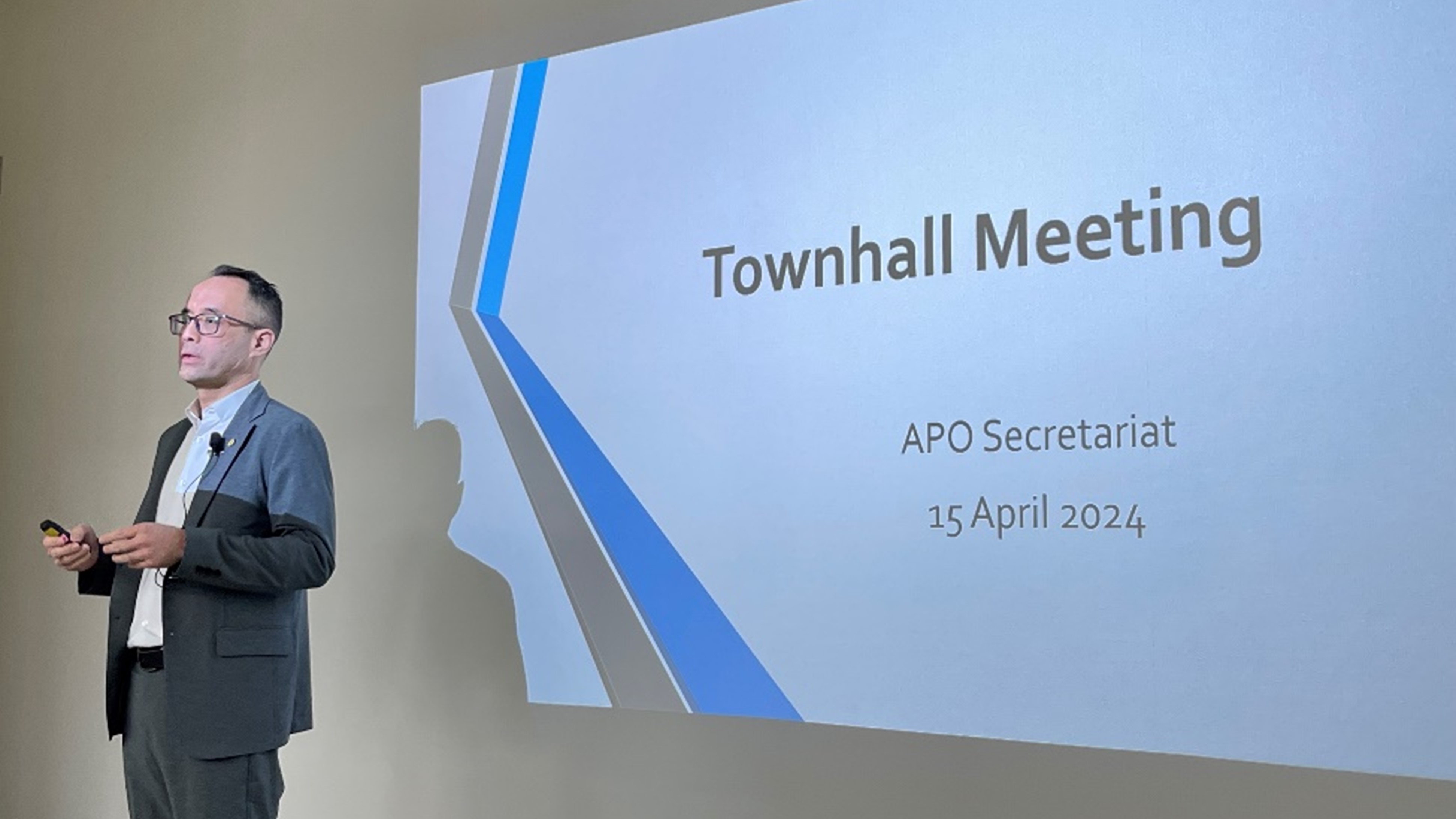
On the second day of the conference, four speakers discussed why KM for innovation has become essential and related their experiences in stimulating and managing innovation.

Mr. Rory L. Chase, Managing Director of Teleos, which administers the prestigious annual MAKE Award (Most Admired Knowledge Enterprise), described how Asian corporations – mainly in India, Japan and South Korea – had caught up with their European counterparts in the global MAKE awards, especially in the category of innovation. He showed that MAKE winners’ average total return to stakeholders over 1995-2005 was more than double that of the median of Fortune 500 companies.

Mr. Atsushi Niimi, Senior Managing Director of Toyota Motor Corporation, Japan, described his company’s global Toyota Production System which is driven by kaizen (continuous improvement), elimination of muda (waste), and visualization of abnormalities. Globalization and rapid increase of personnel in overseas plants have led Toyota to innovate Best Skills Training that cuts down training time through standardization, visualization of best methodology through Visual Manuals, and digitizing knowledge.

Mr. Dirk Ramhorst, Vice President of Operations of Siemens IT Services and Solutions, Germany, described KM practices in Siemens, such as how to elicit and reuse knowledge across project teams, how to make KM part of business strategy, and how to facilitate sharing of knowledge across various internal communities of practice.

Mr. Chaovalit Ekabut, the President of Siam Pulp & Paper Public Co. Ltd, Thailand, described his company’s journey in adopting KM towards becoming a learning and innovating organization. He informed how the firm manages organizational culture towards innovation through organizing innovation leaders and teams, instituting an innovation award, setting up an intellectual property management center, and encouraging managers and supervisors to broaden their horizons, e.g. by discussing the latest relevant publications, such as “The World is Flat.”

An innovative and highly effective feature of IPC 2007 was a knowledge-sharing session at the end of each conference day. The session was structured much like an informal television talk show program. With the guidance of skillful and articulate moderators, a lively exchange among the presenters and audience gave participants insights into the tacit knowledge of the presenters beyond what they gave through their prepared presentations.

backBack to list