Select Page

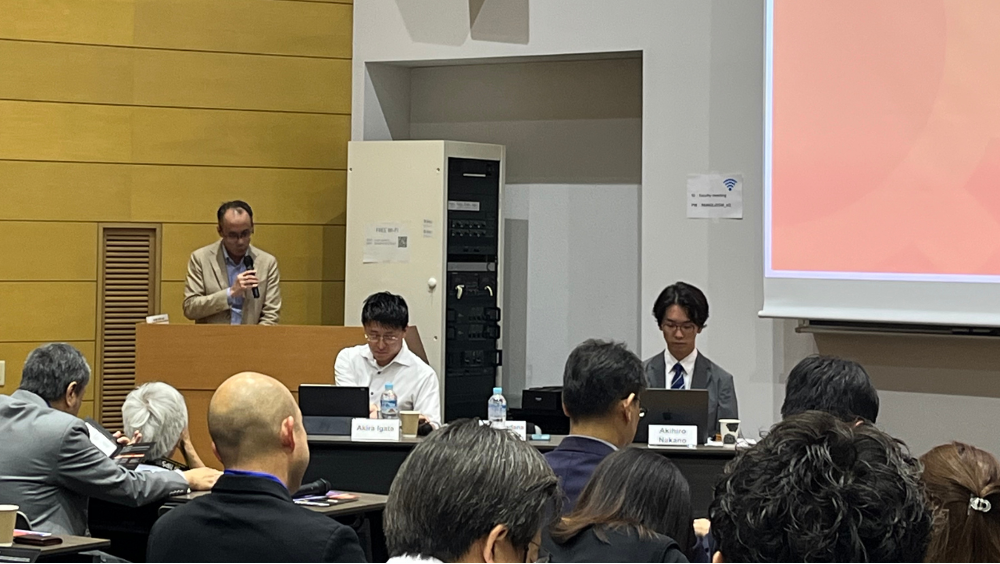 APO Secretary-General Dr. Indra Pradana Singawinata delivers remarks during the APO GAIA Briefing and Networking Session at the University of Tokyo
The APO, in collaboration with the United Nations University (UNU) and the Matsuo-Iwasawa Laboratory of the University of Tokyo, convened a briefing and networking session on the APO Genuine AI Action (GAIA) initiative for embassies of APO member economies in Tokyo on 30 July 2026. This was followed by the second APO GAIA Public Symposium.
The events brought together government officials, ambassadors and diplomats, representatives of international organizations and academic institutions, and AI experts to strengthen international cooperation on responsible AI, talent development, and productivity enhancement across the Asia-Pacific region.
Held at the Research Center for Advanced Science and Technology (RCAST) of the University of Tokyo, the APO GAIA Briefing and Networking Session introduced representatives of APO member economy embassies to the APO’s vision for promoting trustworthy, inclusive, and productivity-driven AI.
The briefing addressed four principal areas: the APO and Matsuo-Iwasawa Laboratory GAIA Internship Program, with Indonesia serving as the pilot economy; preparations for the proposed APO-UNU GAIA Summit; the international cooperation activities of the Hiroshima AI Process Secretariat; and the work of the Republic of Korea’s Presidential Council on National Artificial Intelligence Strategy.
Principal speakers and contributors included
Participants received updates on APO GAIA activities and opportunities for cooperation in AI capacity building, responsible technology adoption, talent development, and productivity improvement.
Professor Marwala highlighted the importance of effective AI governance and international cooperation in ensuring that emerging technologies contribute to sustainable development. The session also presented Japan’s international cooperation efforts through the Hiroshima AI Process and the Republic of Korea’s policies and programs for cultivating AI talent.
Akihiro Nakano introduced the Matsuo-Iwasawa Laboratory’s AI education and talent development initiatives as well as the APO–Matsuo-Iwasawa Laboratory GAIA Internship Program. The program aims to provide graduates of the laboratory’s AI training courses with opportunities to apply their knowledge through practical internships and professional learning experiences. Indonesia is serving as the pilot economy, with the potential for the program to be expanded to other APO member economies.
The afternoon continued with the second APO GAIA Public Symposium under the theme “Building AI Readiness: Safety, Talent, and International Cooperation.” The symposium examined how economies can prepare for the accelerating adoption of AI by strengthening institutional capacity, cultivating skilled talent, advancing responsible AI research, and expanding international partnerships.
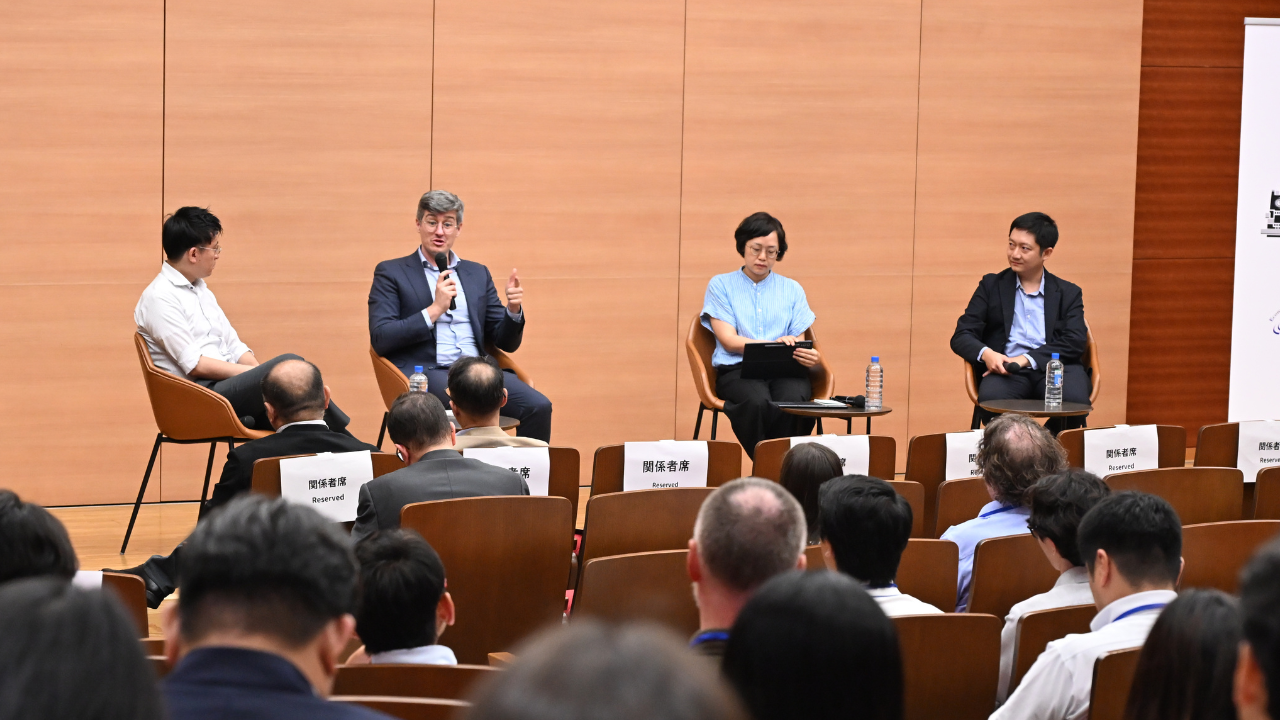 Moderator and panelists of the APO GAIA Public Symposium (left to right): Akira Igata, Project Lecturer, RCAST, the University of Tokyo; Jonathan Barry, Director of Policy, Office of Professor Yoshua Bengio, Canada; Jiyun Kim, Director of the AI Talent Development Team, Presidential Council on National Artificial Intelligence Strategy, the Republic of Korea; and Huy H. Nguyen, Chief Research Scientist for Responsible AI, SB Intuitions, Japan.
The panel explored practical approaches to AI safety evaluation, national AI strategies, AI talent development, open-weight AI models, and international cooperation. Speakers emphasized the importance of balancing innovation with effective governance and safeguards so that AI can contribute to sustainable economic growth and productivity while emerging risks are appropriately managed.
Through the APO GAIA initiative, the APO continues to strengthen international collaboration and build an ecosystem that enables its member economies to harness AI responsibly for greater productivity, innovation, and sustainable development.