
Select Page

In 2026, several economies in the Asia-Pacific region, including Nepal, Bangladesh, and Lao PDR, are at a critical juncture in their development trajectory as they prepare to graduate from the least developed country (LDC) category. LDCs are low-income economies confronting severe structural impediments to sustainable development (UNDESA, 2020). Following graduation, these economies will face a more competitive external environment with gradually reduced access to concessional finance, trade preferences, and special and differential treatment provisions.
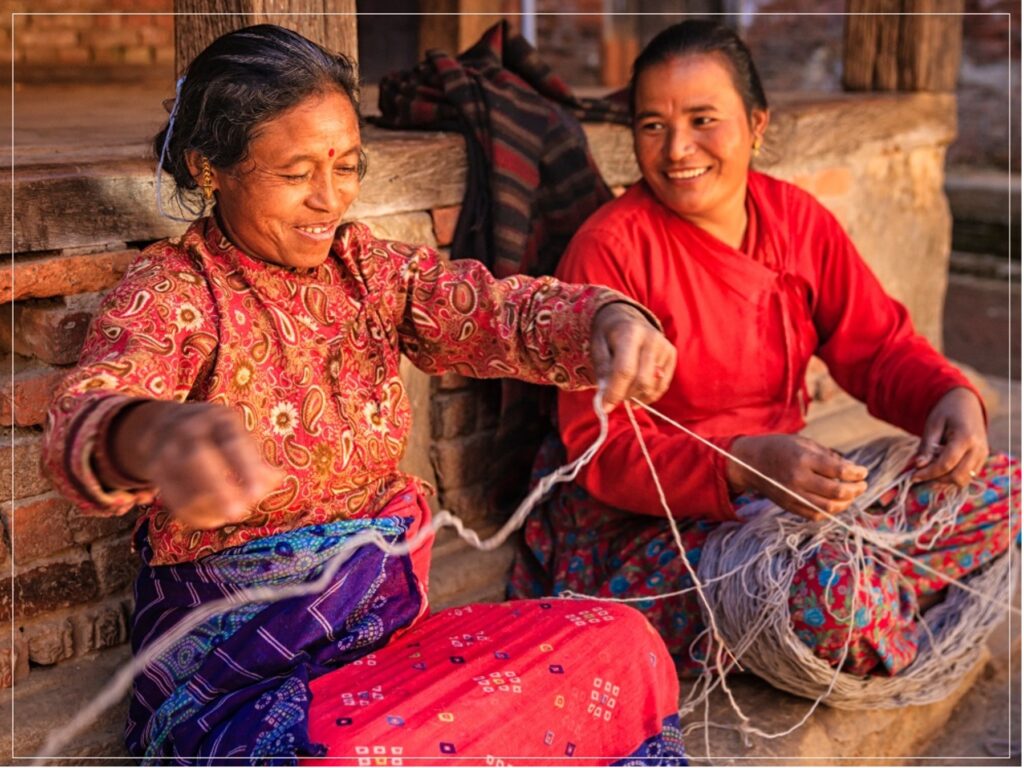
This challenge is particularly evident in Nepal. It is estimated that Nepal could lose 4.3% of its export income because of tariff changes when it graduates from LDC status in 2026 (ITC, 2022). Two of Nepal’s historically important export sectors, carpets and garments, which are rich in craftsmanship and in demand abroad, both face significant competitive disadvantages arising from high production costs and low labor productivity. The IISD (2025) reported that Nepalese garment producers estimate that their unit costs are at least 25% higher than those of competitors like Bangladesh because of skill shortages and logistic inefficiencies. Similarly, carpet exporters point to higher production costs that make Nepal’s hand-knotted products pricier than those of competitors like India. These structural issues are not just about market access, but include the inability to achieve productivity gains at scale. As tariff preferences erode postgraduation, these productivity constraints will likely become more exposed.
In this transition, productivity functions not only as a source of growth but as the principal mechanism through which economies adjust to higher costs, stricter standards, and intensified competition. In particular, total factor productivity, allocative efficiency, and structural transformation shape how effectively resources are used and reallocated across firms and sectors.
Identifying productivity constraints and opportunities
A natural first step in strengthening productivity is to clearly identify its key constraints and opportunities. In 2025, the APO conducted a series of consultations with stakeholders in Nepal, with technical support from DevTech Systems, Inc., to inform the development of Nepal’s National Productivity Master Plan, which is currently ongoing. Those consultations were carried out to test the evidence and identify priority sectors and binding constraints on productivity growth.
A structured ranking exercise identified policy uncertainty as the most pressing binding constraint, particularly related to tariffs on the import of raw materials necessary for domestic production. These uncertainties force private developers to factor an additional 3–4% risk premium into project financing, raising the cost of new infrastructure, technology, and service-sector investments. Other major constraints include transport and connectivity, labor regulations, electricity supply, economic complexity and diversification, financing costs, and skill mismatches that affect productivity across the economy.
These constraints shape sectoral outcomes in different ways. In Nepal, manufacturing and modern services possess clear potential to drive higher value and export diversification but remain constrained by limited integration into regional and global value chains. Inadequate transport and connectivity were described as adding 15–20% to freight costs along mountainous corridors and at border crossings, inflating inventory-carrying costs by 5% and driving 25% feeder-road delays that erode farm-gate prices by NPR2–3 per kilogram.
Tourism and the creative economy offer scope for upgrading through improved service quality, destination diversification, and digital market access, where productivity gains increasingly stem from higher value per worker rather than higher volumes alone. Tourism contributes approximately USD400–800 million to exports annually and has been the highest among service sectors from FY2018/19, except during the COVID-19 pandemic (MoICS, 2023). However, without continued upgrading, the sector remains exposed to risks from infrastructure bottlenecks and demand volatility. In this context, ongoing digital transformation, including wider adoption of e-portals, internet access, and e-services, plays a critical role in reducing transaction costs and improving market access.
Agri-based value chains similarly require productivity-enhancing investments to move beyond low-value activities and strengthen rural livelihoods. Achieving productivity gains will depend on better integration of production with processing, storage, logistics, and market access. Reliable, high-quality electricity supply will be a critical enabler across each stage of the value chain.
Delivering productivity gains through coordination
Among the many calls to action surrounding LDC graduation, one message stands out: graduation requires a shift from fragmented interventions toward a more integrated productivity system. Given the cross-cutting nature of productivity, effective coordination will be essential throughout this process. Locating productivity policy within national planning frameworks and clearly defining the roles of different levels of government, the private sector, and development partners can help maintain coherence beyond LDC status and anchor productivity as a long-term policy agenda.
Within this long-term agenda, careful sequencing of implementation is critical. The initial phase should focus on strengthening productivity institutions, enhancing regulatory certainty, improving coordination mechanisms, and developing data systems. This should be followed by a scale-readiness phase that supports firms and sectors in building capabilities and enabling conditions to adopt new technologies, expand market access, and compete more effectively. A final consolidation phase should aim to sustain productivity gains and embed reforms within institutions, thereby reducing dependence on temporary support measures.
Lesson from Nepal’s experience underscore that LDC graduation, while a major milestone, marks the beginning of a new development chapter. Without sustained productivity growth, the economy risks stagnation once preferential treatment and concessional support diminish, even if macroeconomic stability is maintained. A productivity agenda that is coordinated, inclusive, and attentive to climate risks can help economies sustain growth, enhance competitiveness, and build resilience in the years ahead.
References:
IISD. (2025). Nepal’s Textiles and Clothing Exports. https://www.iisd.org/articles/policy-analysis/nepal-textiles-clothing-exports.
ITC. (2022). Nepal after LDC Graduation: New Avenues for Exports. https://www.intracen.org/file/nepalldcgraduationfinalwebpdf.
Ministry of Industry, Commerce and Supplies (MoICS). (2023). Nepal Trade Integration Strategy 2023. NTIS English version_FINAL_u82ldmw.pdf. Government of Nepal.
UN DESA. (2020). The Least Developed Countries (LDC) Category. The least developed countries (LDC) category | Economic Analysis and Policy Division.
Santi Setiawati is a program officer in the In-Country Division of the APO Secretariat
Dr. Jose Pineda is an economist and Director of Economics, Director of Skills and Workforce Development, DevTech Systems, USA.
Ashish Katri is a section officer in the Multilateral Trade and Trade Cooperation Division, Ministry of Industry, Commerce and Supplies, Nepal.
The views expressed in this article do not necessarily reflect the official views of the Asian Productivity Organization (APO) or any APO member.