
Select Page


The Asian Productivity Organization (APO) has long contributed to the sustainable socioeconomic development of Asia and the Pacific by promoting productivity enhancement among its member economies. Under Vision 2025, the APO pursued the vision of “inclusive, innovation-led productivity growth in the Asia-Pacific.” In line with this vision, three strategic goals were established: sustaining productivity growth; strengthening innovation systems; and promoting inclusive engagement and shared prosperity. To advance these goals, the APO served as an institution builder, facilitating multilateral cooperation, capacity building, and strategic initiatives for member economies.
The APO implements these efforts through a wide range of project types under the Multicountry Program category, including conferences (CONs), observational study missions (OSMs), training courses (TRCs), study missions to nonmembers (SMNs), and workshops (WSPs). These initiatives aim to provide practical learning opportunities, promote the exchange of best practices and innovations, and strengthen institutional capacity among participants. Through mutual learning and regional collaboration, multicountry projects also support productivity development and policy advancement across member economies.
The APO initiated a pilot review of selected multicountry projects conducted during 2024–25 as an experimental approach to generate insights for developing a long-term review framework. The main objectives of this pilot review were to:
1. Identify the postproject initiatives and applications of knowledge gained from APO projects based on participants’ reported initiatives;
2. Examine how insights gained from APO projects can be converted into tangible impact in member economies;
3. Highlight successful initiatives in dissemination, organizational process streamlining, and policy nudging as references for other members; and
4. Generate insights to enhance the design and effectiveness of future APO projects.
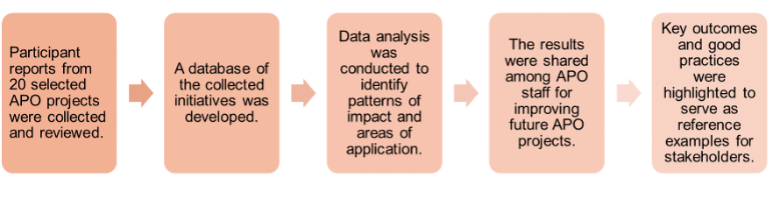
The review methodology followed these steps (Figure 1):
1. With the objective of covering various types of APO multicountry projects, i.e., OSMs, TRCs, SMNs, and WSPs, a sample of 20 multicountry face-to-face projects in 2024–25 was selected.
2. Participants in the selected projects were contacted via email and invited to share the initiatives resulting from their participation in APO projects.
3. The reported initiatives were collected and compiled into a response database, which served as the basis for quantitative and qualitative analyses to identify patterns of initiatives and areas of application.
4. The findings were subsequently shared with APO Secretariat staff, and notable initiatives are highlighted in this article for knowledge sharing and reference.
Figure 1: Implementation process of the pilot review.
Twenty multicountry projects conducted during 2024–25 were selected for the pilot review, as listed in Table 1.
Table 1: Multicountry projects selected for the pilot review.
| Type | Project Title |
| OSM | Multicountry Observational Study Mission on Principles and Best Practices of the Sufficiency-based Circular Economy |
| OSM | Multicountry Observational Study Mission on Productivity Innovation through AI Transformation (AX) |
| SMN | Study Mission to a Nonmember Country on Innovative Technologies for Food Security |
| TRC | Training Course on Greening Supply Chains through Industry 4.0 |
| TRC | Training Course for Assessors for the Green Productivity Specialists Certification Program |
| TRC | Training Course on Green Productivity |
| TRC | Training Course on Smart Manufacturing Specialists |
| TRC | Training Course on Productivity-linked Wage Systems |
| TRC | Training Course on Building Social Innovation Systems |
| TRC | Training Course on Smart Building Solutions for Sustainable Productivity Outcomes |
| WSP | Workshop on Reduction of Food Loss and Waste for Sustainable Food Systems |
| WSP | Workshop on Service Innovation in the Food and Beverage Industry |
| WSP | Workshop on Sustainable Food Systems |
| WSP | Workshop on Promoting Sustainable, Inclusive Tourism |
| WSP | Workshop on Value Addition of Gemstone Products for Compliance with International Standards |
| WSP | Workshop on AI Management Systems |
| WSP | Workshop on the Circular Economy through Digital Solutions |
| WSP | Workshop on Driving Business toward ESG and the SDGs |
| WSP | Workshop on Policy Ecosystem Development for Startups |
| WSP | Workshop on Promoting Productivity through Digitalization |
Note: Information on postproject initiatives was collected from participants 25 February –6 March 2026.
Four types of initiatives were requested to be shared in the participants’ reports:
1. Knowledge sharing and dissemination initiatives;
2. Interventions that led to improvements or streamlining processes at the organizational level, resulting in overall productivity enhancement;
3. Initiatives that led to policy nudging at the organizational, sectoral, or national level; and
4. Professional growth.
Responses were received from 34% of the total project participants, and the analysis presented in this review is based on those responses.
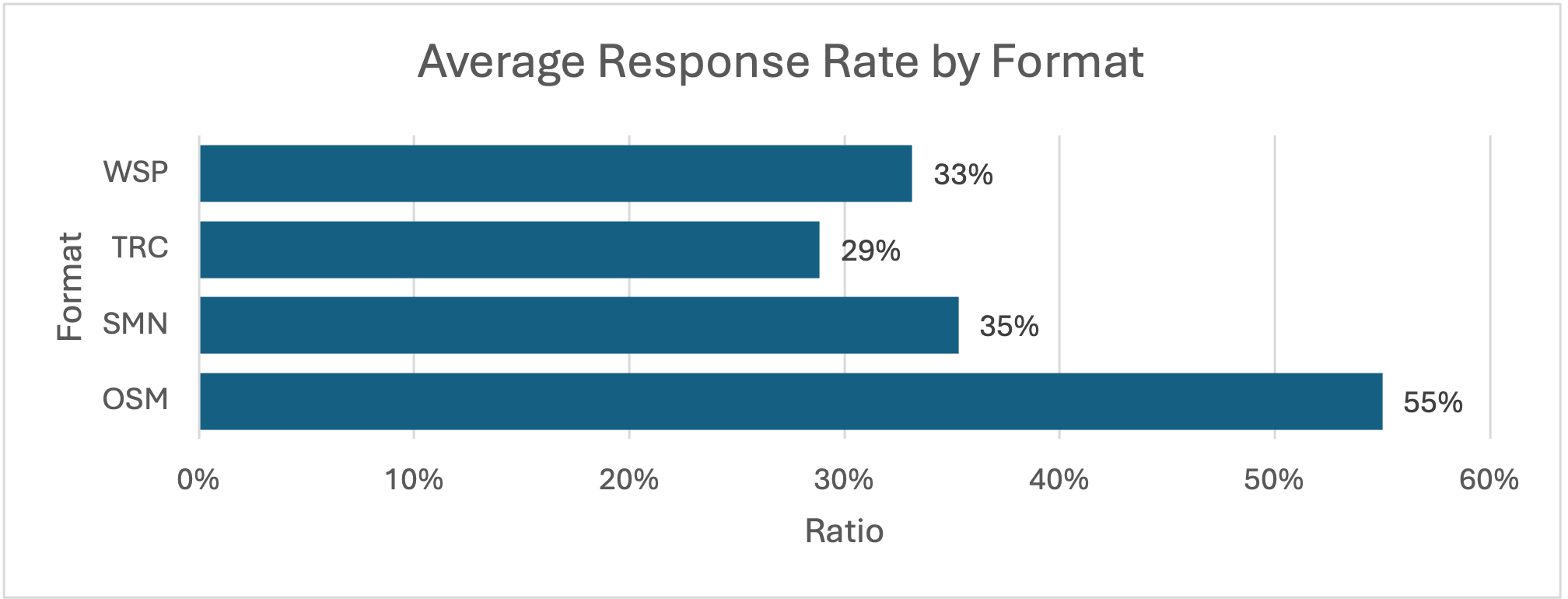
Among all project formats, OSMs received the highest average response rate, while TRCs received the lowest (Figure 2).
Figure 2: Average Response Rate by Format
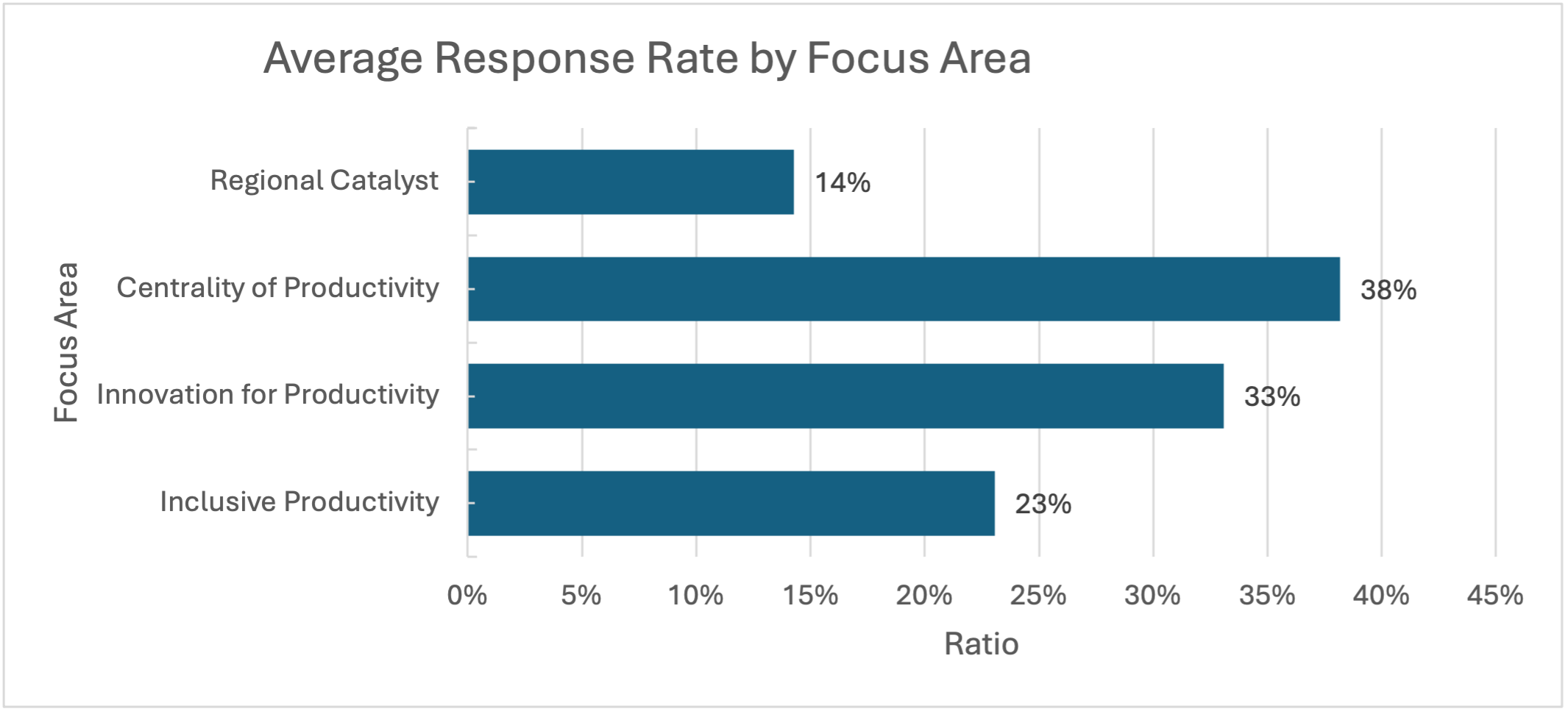
When categorized by the focus area, projects under Centrality of Productivity had the highest engagement by participants (Figure 3). Centrality of Productivity emphasizes smart transformation, quality of the workforce, and Green Productivity.
Figure 3: Average Response Rate by Focus Area
When categorized into four types of initiatives, dissemination was the most frequently reported outcome by approximately 80%, while policy initiative nudging was the least frequently reported by around 20% (Figure 4). In addition, about 48% of participants highlighted professional growth, indicating that insights gained from APO projects contributed to their career development.
Figure 4: Distribution of four types of reported initiatives.
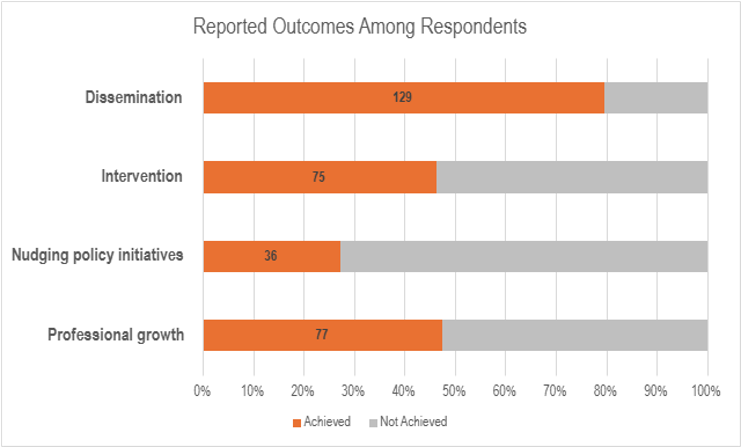
Note: Participants could report multiple initiatives.
Nudging policy initiatives are classified by their scale (Figure 5):
・Organizational level: policy, strategy, or program within a specific organization, private firm, or educational institution;
・Sectoral level: initiatives affecting a specific sector, industry, or regional development plan; and
・National level: legislation, policy frameworks, programs, or policy design at the ministry/government level.
Figure 5: Distribution of nudging policy initiatives at organizational, sectoral, or national level.
| Organizational | Sectoral | National |
| 9 | 13 | 14 |
Nudging policy initiatives conducted by participants occurred mainly at the sectoral and national levels. Initiatives at organizational level focused on internal policy adjustments and strategic planning, integrating concepts such as sustainability, digital governance, and innovation management into institutional practices. Initiatives at sector level targeted specific industries or regional development agendas, including agriculture, tourism, manufacturing, and education. These efforts often took the form of pilot projects, sectoral programs, and local policy advocacy. Sixteen initiatives reported contributed to national policy discussions, strategic programs, or legislative initiatives, while some initiatives remained in the proposal stage.
Dissemination of key takeaways
Participants utilized a wide range of knowledge-sharing channels to disseminate insights gained from APO multicountry projects. As a result, project knowledge was scaled beyond the public sector to reach private-sector organizations and industry stakeholders. Examples are:
・Institutional reporting and internal communication: submitting completion reports to institutions as well as sharing insights through interdepartmental meetings and informal discussions;
・Professional presentations and knowledge-sharing events: delivering speeches or presentations at conferences, conventions, workshops, seminars, and webinars;
・Training and educational integration: conducting courses or training programs and integrating project knowledge into academic curricula;
・Written knowledge outputs: preparing newsletters, technical notes, shared resource folders, and academic publications; and
・Digital and professional networking platforms: disseminating insights through professional networking platforms and social media.
Dissemination initiatives targeted diverse stakeholders, including government agencies, private firms, industry associations, educational and research institutions, national productivity organizations, professional networks, and international partners.
Organizational-level interventions
Participants applied the knowledge and insights gained from APO multicountry projects to implement a range of interventions aimed at enhancing organizational productivity and strengthening institutional capacity. These initiatives demonstrate how project learning can be translated into practical improvements in management practices, operational processes, and professional services.
Institutional Policy and Standard Development
In several cases, organizations developed or formalized internal policies to align their operations with international standards and emerging governance practices. Examples include the introduction of AI usage policies, Green Productivity (GP) assessment criteria, and ESG-related guidelines at the organizational level. By incorporating globally recognized frameworks, these initiatives help improve transparency, strengthen governance structures, and enhance the global competitiveness of organizations.
Operational Process Improvement
Participants promoted digital transformation initiatives to improve the efficiency of public services and administrative processes. AI-driven platforms and data-based decision-making models were introduced to enhance workflow management and performance monitoring. In addition, organizations reviewed and streamlined operational procedures to accelerate service delivery and reduce reliance on paper-based systems.
Professional Consulting and Technical Application
Knowledge and best practices acquired through APO multicountry projects, such as GP methodologies, circular economy frameworks, and AI transformation strategies, were applied to consulting services and audit studies. Those approaches enabled professionals to provide more effective technical support to industry clients by identifying energy-saving opportunities, addressing operational bottlenecks, and developing innovative productivity solutions.
Environmental Sustainability Initiatives
Many organizations incorporated sustainability practices into their daily operations. Initiatives included sustainable procurement policies, waste reduction measures, and the adoption of the 3Rs (reduce, reuse, and recycle). In addition, circular economy approaches and ESG-oriented programs were introduced to help SMEs reduce material losses, lower operational costs, and address environmental challenges such as food waste, plastic waste, and greenhouse gas emissions.
Education and Research Development
Academic institutions played an important role in translating project knowledge into educational and research initiatives. Universities and training institutions introduced courses, workshops, and professional training programs focused on digital productivity, social innovation, and sustainability. Some institutions also developed research tools and frameworks, such as circular economy indicators and GP assessment tools, to support evidence-based research and strengthen knowledge development in these areas.
Policy changes are time consuming and require a series of complex processes, which are difficult to achieve in a short period of time. The APO expects multicountry programs to serve as a driving force behind policy development and nudge the strategic shifts of existing policies. Selected multicountry projects contribute to the integration of GP and the circular economy into national development policies. In addition, participants promoted the use of international standards such as ISO guidelines in SMEs.
Among all the initiatives reported by participants, a few remarkable cases are cited below for knowledge-sharing, acknowledging participants’ efforts in converting lessons learned from APO multicountry projects into tangible results.
Application of food loss waste (FLW) methodologies in pilot projects
Multicountry Project: Workshop on Reduction of Food Loss and Waste for Sustainable Food Systems, 25–28 November 2025, Ankara, Türkiye
Coşkun Şerefoğlu from the Ankara Development Agency applied methodologies and case studies from an APO multicountry project in the design of an EU-funded project titled Reducing Harvest and Post-Harvest Losses in the Ankara Region through a Sandbox Experimentation Model. The project established a regional focus group on FLW, bringing together stakeholders from the public sector, private sector, and academia to collaboratively design and implement experimental interventions. Using a structured sandbox approach, the initiative will map the tomato value chain to identify key loss points and test targeted solutions. The resulting evidence-based roadmap is intended to support policy advocacy and will be presented to the Ministry of Agriculture and Forestry to inform future strategies on FLW reduction.
Expanding the startup ecosystem through innovation hub networks
Multicountry Project: Workshop on Policy Ecosystem Development for Startups, 13–16 May 2025, Ulaanbaatar, Mongolia
Anthony Sales from the Department of Science and Technology (DOST) Davao Region, the Philippines, advanced a Reentry Plan to Institutionalize the Innovation Hub (iHub) Network as a regular program within the organization. The initiative aims to establish iHubs in state universities and colleges across the Davao region, serving as preincubation facilities to support researchers, SMEs, students, and faculty in developing business and product ideas before entering formal incubation programs. These hubs will strengthen the regional startup ecosystem by expanding access to science and technology support services, particularly in provincial areas where such interventions are limited. To date, two iHubs have been established in Davao del Sur and Davao City, with five additional hubs planned across the region, aiming to generate at least 30 startups and become a regular component of the DOST Davao Region’s GIA Program.
Applying Circular Economy Concepts in National Industrial Policy
Multicountry Project: Multicountry Observational Study Mission on Principles and Best Practices of the Sufficiency-based Circular Economy, 10–12 December 2025, Tokyo, Japan
Omer Manzoor Sheikh from the Ministry of Industries and Production, Pakistan, applied insights from an APO observational study mission to the formulation of the country’s forthcoming National Industrial Policy. Drawing on concepts such as the circular economy, sustainable value chains, and resource efficiency, the participant contributed to policy discussions aimed at promoting sustainable industrial growth and reducing input dependency. The exposure gained through this project also informed sectoral diagnostics and investment planning processes.
APO multicountry projects play an important role in enhancing participants’ professional capacity and, in some cases, contributing to strategic shifts in their career trajectories.
Multicountry Project: Workshop on Promoting Productivity through Digitalization, 6–9 October 2025, Islamabad, Pakistan
Jantakarn Koochumpoo from the Thailand Productivity Institute reported that participation in this project had facilitated a transition of his career from a project administrator to a speaker and consultant specializing in digital transformation and AI.
Multicountry Project: Training Course on Productivity-linked Wage Systems, 1–5 July 2024, Phnom Penh, Cambodia
Somaly Leap, an HR and OD consultant, indicated that her work had focused mainly on HR management before her participation in this project. After the training course, she was inspired to integrate organizational development approaches into her career, enabling her to deliver training, consulting, and coaching support to enterprises across northwest Cambodia.
This shows that APO multicountry projects not only strengthen participants’ professional capabilities but also help them develop new areas of expertise aligned with emerging market demands, enabling them to expand their professional roles and contribute more effectively to productivity development.
This pilot review provides an initial assessment of how knowledge gained from APO multicountry projects has been applied by participants after project completion. The findings indicate that insights from this type of initiative have contributed to knowledge dissemination, organizational improvements, and policy-related initiatives across member economies, demonstrating the potential for long-term impact beyond the project period.
The APO appreciates the active engagement of participants who shared their postproject initiatives. Many of the reported actions trace their foundations to the concepts, tools, and best practices introduced through APO multicountry programs, reflecting the organization’s role in supporting productivity-oriented policy and institutional development.
Building on the experience of this pilot exercise, the APO will consider conducting mid-term reviews in future multicountry projects to better capture long-term outcomes. The organization will continue working with member economies to promote productivity enhancement, knowledge sharing, and sustainable development in the region.
Wu Heng Ying is an intern at the APO and a student at the University of Tokyo’s Graduate School of Public Policy.
The views expressed in this article do not necessarily reflect the official views of the Asian Productivity Organization (APO) or any APO member.
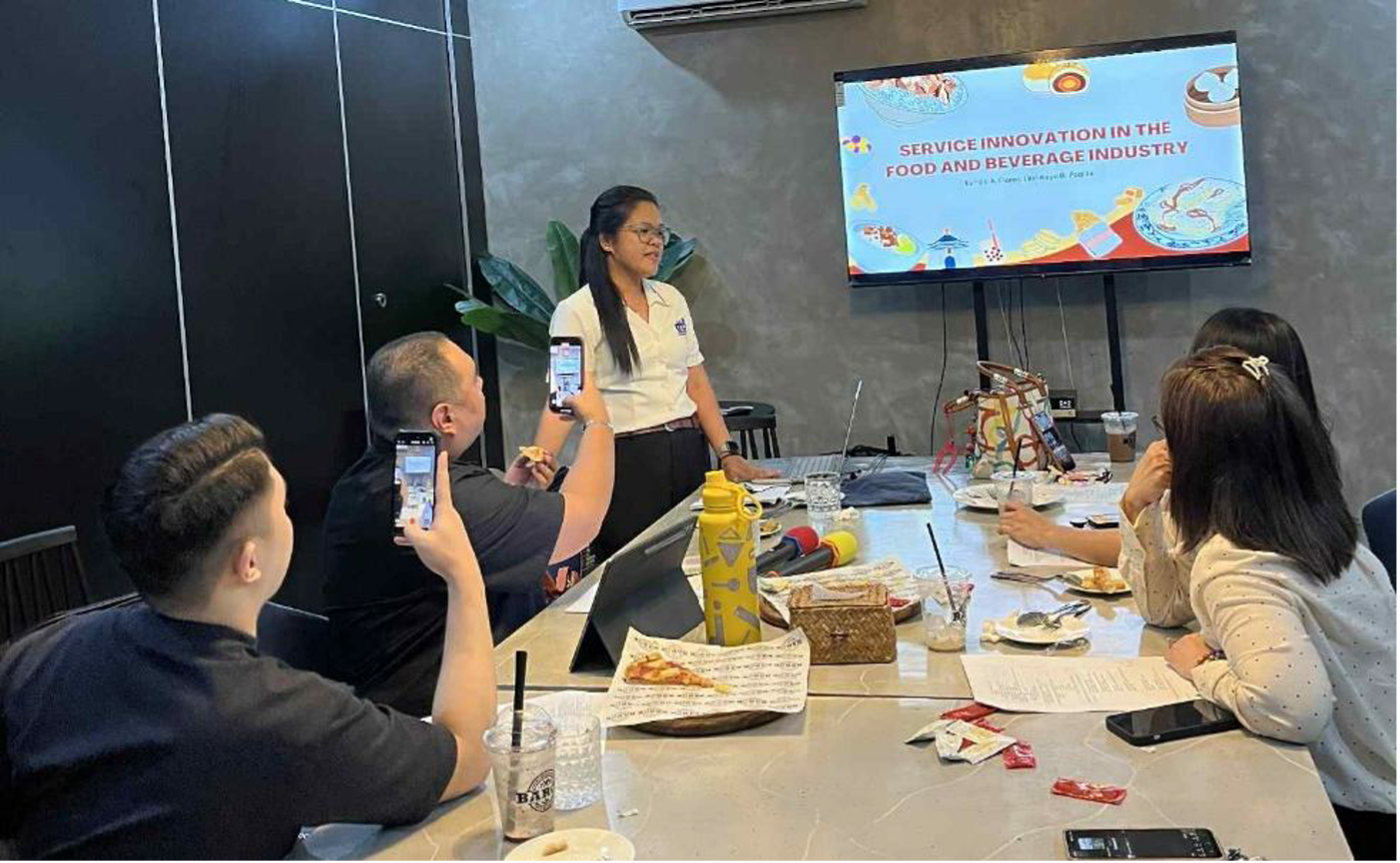 A knowledge-sharing session with MTEFI Executive Committee and staff. Photo by Eunice A. Flores, Trade-Industry Development Specialist, Department of Trade and Industry, the Philippines.
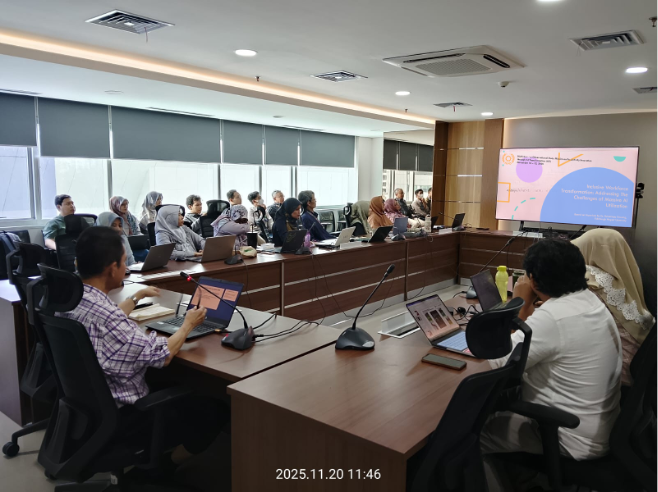 A Knowledge-sharing project within the Indonesia National Research and Innovation Agency. Photo by Dian Noviwiyanah, Focal Point APEC PPSTI, Indonesia.
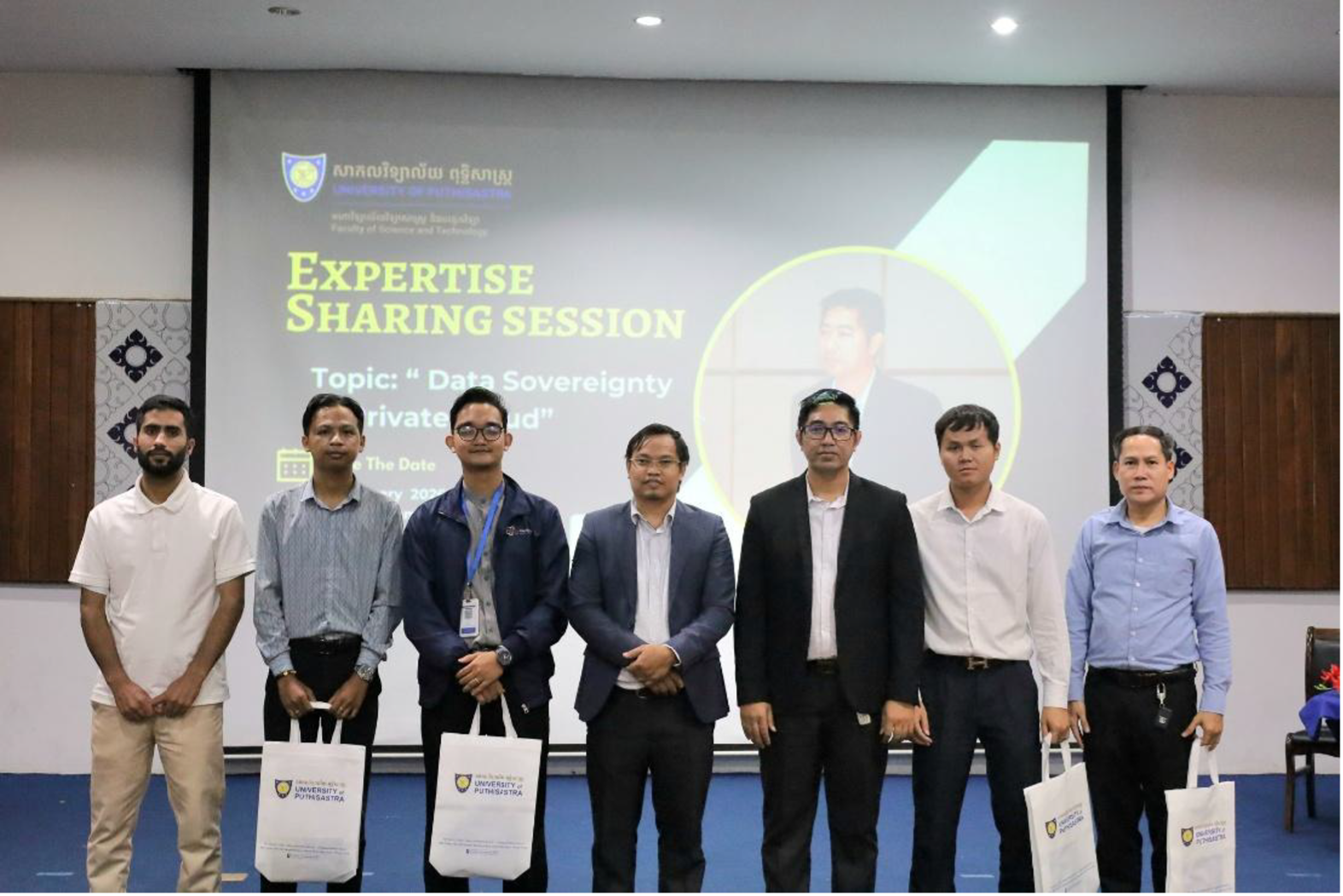 A sharing session at the University of Puthisastra. Photo by Tam Sakirin, Associate Professor, University of Puthisastra, Cambodia.
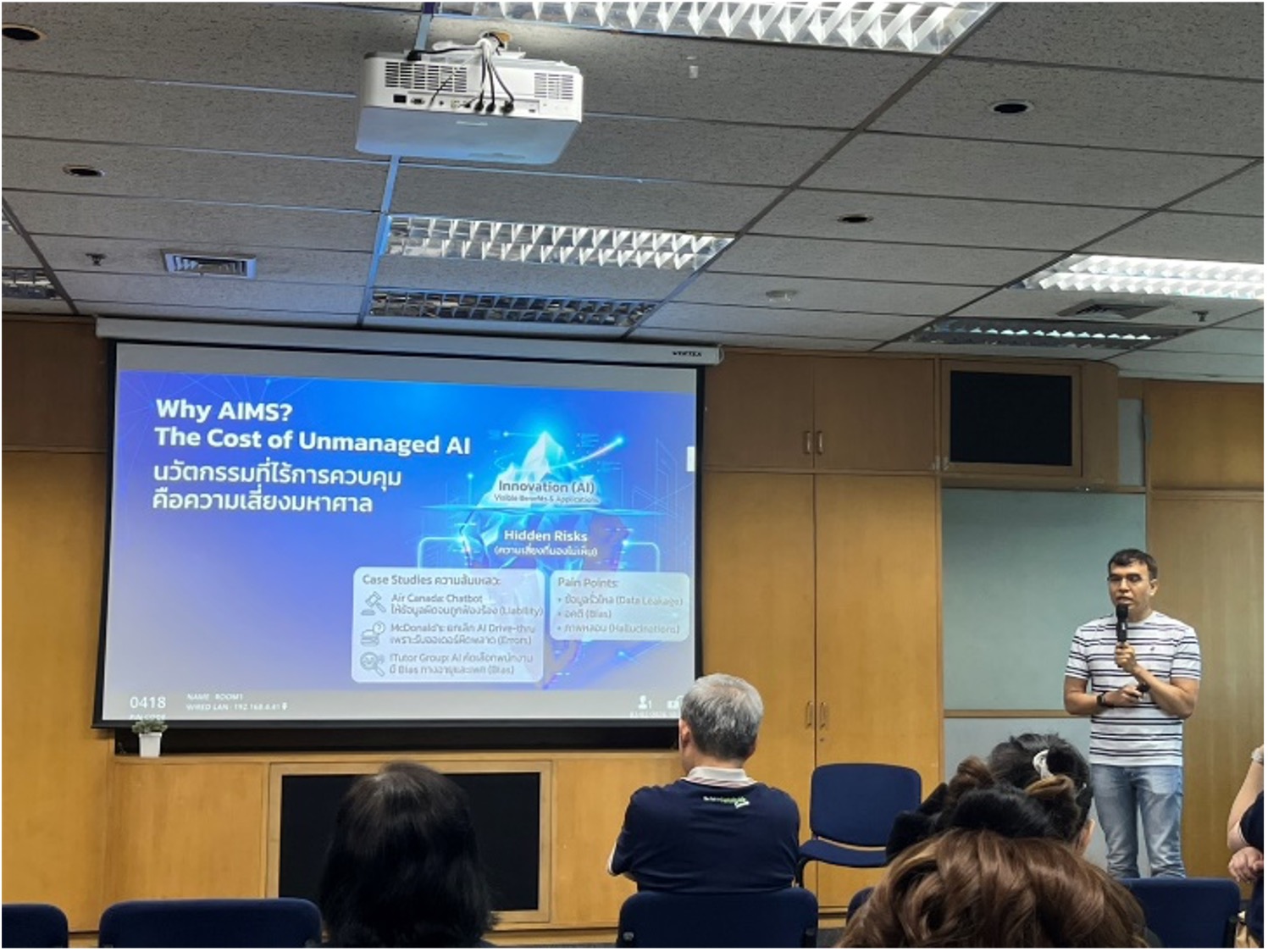 A presentation during ComDay, an internal knowledge-sharing event in the FTPI. Photo by Tanasak Kamnotnae, Capability Development and Training Course Management Officer, FTPI, Thailand.